GENERATOR SAFETY
Have you heard of backfeed?
Improperly installed generators can “backfeed,” or push high voltage back on the power grid, creating a dangerous situation for our lineworkers, first responders and the general public. That’s why it’s critical that you hire a qualified, licensed electrician to install your generator if you’re connecting it to your home’s wiring.
Here are some tips from the American Red Cross to keep you and your family safe:
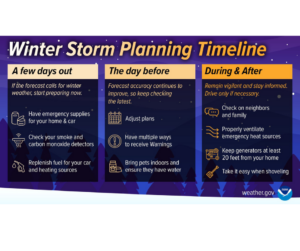
 To avoid electrocution, keep the generator dry and do not use it in rain or wet conditions. Operate it on a dry surface under an open canopy-like structure, such as under a tarp held up on poles. Never touch the generator with wet hands.
Be sure to turn the generator off and let it cool down before refueling. Gasoline spilled on hot engine parts could ignite.
Plug appliances directly into the generator or use a heavy-duty, outdoor-rated extension cord that is rated at least equal to the sum of the connected appliance loads.
Never use a generator, grill, camp stove or other gasoline, propane, natural gas or charcoal-burning devices indoors. Keep them outdoors, away from doors, windows and vents that could allow carbon monoxide to come indoors.
Install carbon monoxide alarms in central locations on every level of your home and outside sleeping areas to provide early warning of accumulating carbon monoxide.
If the carbon monoxide alarm sounds, move quickly to a fresh air location outdoors and call 911 for help.
 Learn more about generator safety from @TVAEnergyRight at https://bit.ly/31JDB3o.